Graveyard Keeper 2 beginner guide
A fair warning before the tips: Graveyard Keeper 2 doesn't release until September 22. The first game is the best teacher for what's coming, so these are the lessons GK1 veterans carry over — the systems the studio has confirmed are back, and the mindset the sequel is clearly keeping.
1. Every corpse is a resource, not a chore
The core loop of GK1: bodies arrive, you grade them, and their quality decides what you get out of them. Skull ratings and body-part quality flow into everything downstream — embalming, fertilizer, research materials. GK2's "turn the zombie problem into a thriving business" is that same idea, stated out loud. Treat every burial as a production decision, not a cleanup task.
2. Research is the real progression
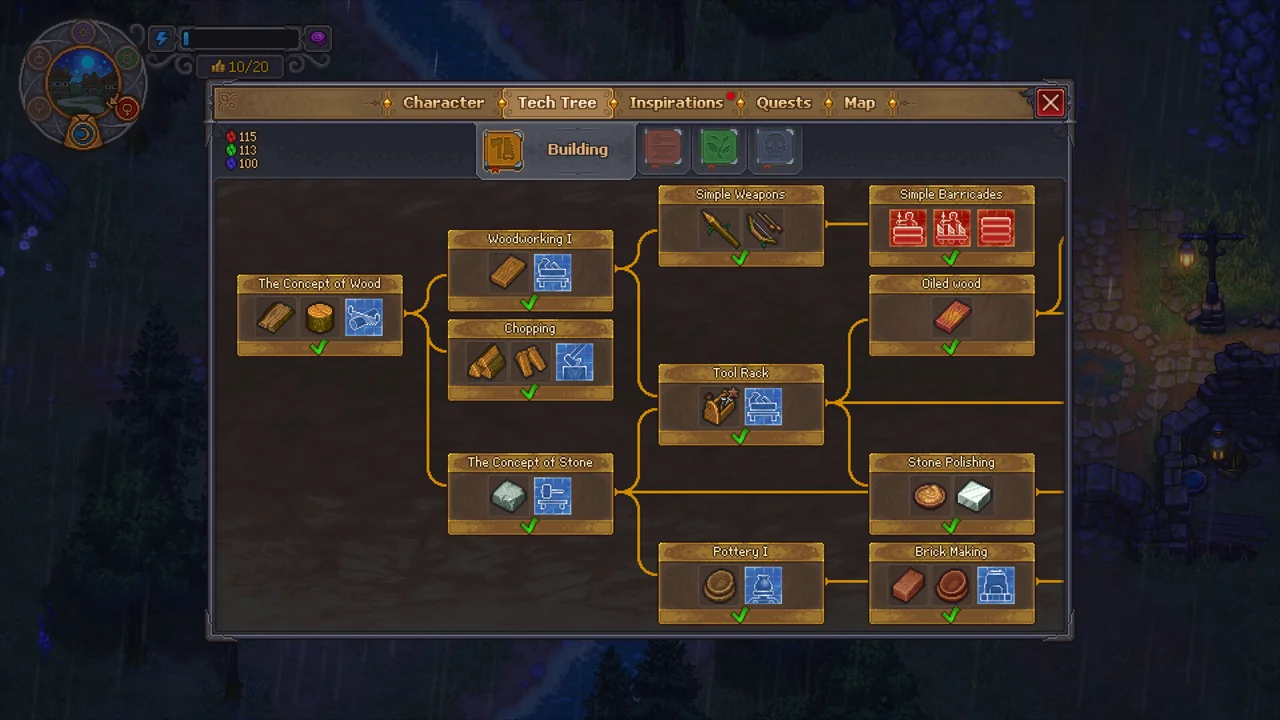
In GK1, your tech tree was the backbone of everything: better tools, bigger stations, new ways to process bodies — all locked behind research points earned from sermons, studying and selling. The sequel announces the same shape: restore The Town, unlock production lines, grow. The lesson that carries: when in doubt, research. A new tech almost always unlocks a loop that pays for itself.
3. Zombies are automation, not decoration
GK1's zombies ran your grind stations — chopping, hauling, crafting — so you could do the parts that needed a brain. GK2 has confirmed automation as a headline feature, which means it will be even more central. If you're optimizing, the work pattern is: let zombies do the tedious part, spend your own time on planning and the town. Players who treated zombies as a gimmick spent twice the time doing busywork.
4. The town is your second economy
GK1 made you rich off buried bodies and church donations. GK2 adds "restore The Town" as a headline system and pushes the business side — the shop, the production, the trade. Expect money to flow from more places than the graveyard itself. Diversify early: a graveyard-only income dies the moment a system needs town resources.
5. Expect zero hand-holding, embrace the wiki
GK1 is famously opaque — quests that don't tell you where to go, recipes you discover by trial, a story that hides itself. That's part of the charm and part of the frustration. GK2 hasn't announced any quality-of-life overhaul, so plan on it. Keep a wiki tab open, check the FAQ when a quest stalls, and don't be stubborn about looking things up.
6. The free-GK1 giveaway was a tutorial
When GK2 was announced, the studio gave the first game away free on Steam for a week. If you grabbed it, you already know whether this is your game — the sequel is doubling down on the same systems, not reworking them. If you didn't, that's the best $5-10 you'll spend to decide before September 22.