Project P.I.T.T. on Steam Deck — the green checkmark comes with an asterisk
Short answer: yes, it runs on Deck, and the opening hours are genuinely excellent handheld material. The asterisk shows up around the time your duck operation actually starts working.
The good news is very good
Early game, Project P.I.T.T. is exactly what you want on a handheld: a steady 60 FPS with battery drain consistently under 10W. That's a long-session game on one charge territory. Controls map cleanly, the PSX-grime look hides zero graphical ambition to strain the GPU, and the save-anytime design means a handheld session of "just one more contraption" fits real life perfectly.
The Verified badge landed shortly before launch, and based on the first hours alone it's deserved.
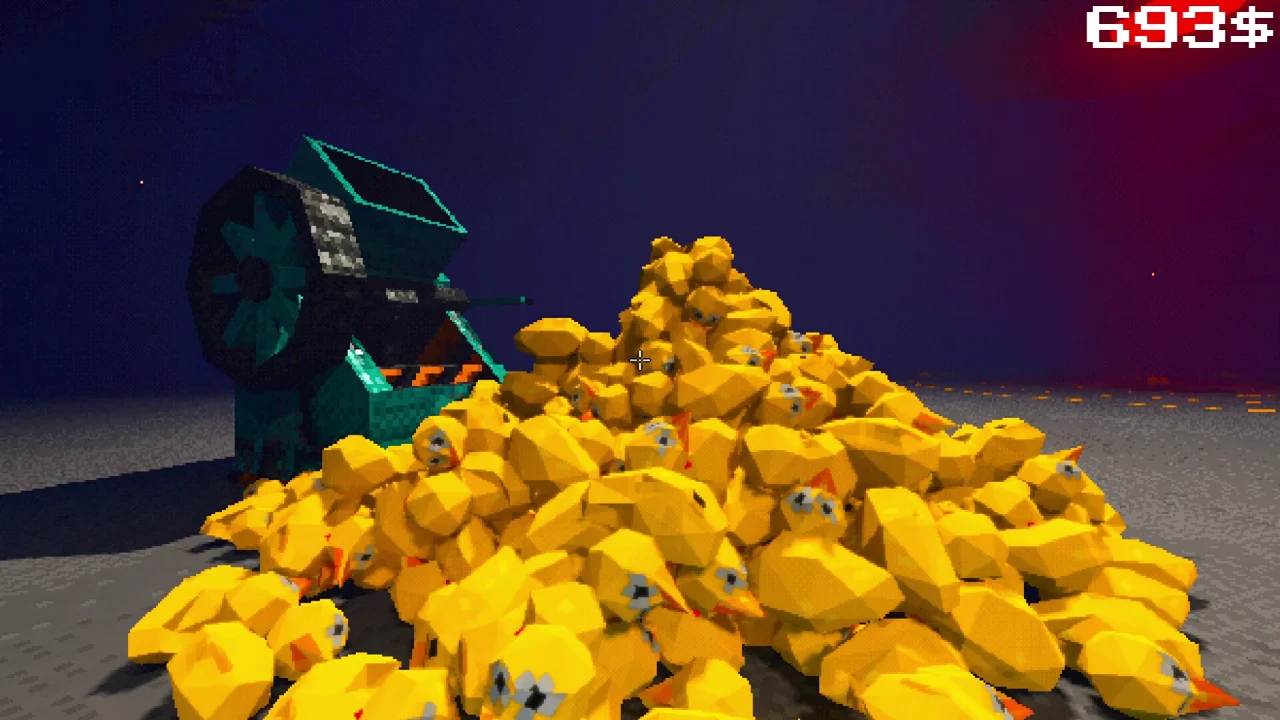
The catch: physics scales worse than you'd like
This is a CPU-bound problem, not a graphics one. Every object in the pit room has full physics simulation, and the whole game is about making more objects, faster. Once your factory is humming — roughly 300 ducks on the floor, piñatas popping, cash registers firing all at once — the Deck's framerate can sag into the 20s. It happens consistently during exactly the moments the game is built to celebrate.
For calibration: the review that stress-tested this found even the beefier Steam Machine dipping into the 40s and 50s in the same scenarios. The Deck just falls further. Their verdict was the badge should honestly be "Playable" rather than "Verified," which feels right — nothing breaks, it's just not always smooth when your machine gets beautiful.
If you're playing handheld anyway
- Sweep regularly. Ducks scattered across the floor are all being simulated. Funnel them into the pit or into storage instead of letting the population climb.
- Build funnels over open floor. Panels that guide ducks along a path mean fewer loose bodies bouncing around — better for combos and framerate at once.
- Expect dips during peak chaos, not constant sludge. Between waves the game returns to its comfortable baseline.
- It's a sim-style tradeoff: if a momentary slide to 25 FPS while hundreds of piñatas explode sounds acceptable to you, buy it for Deck with confidence.
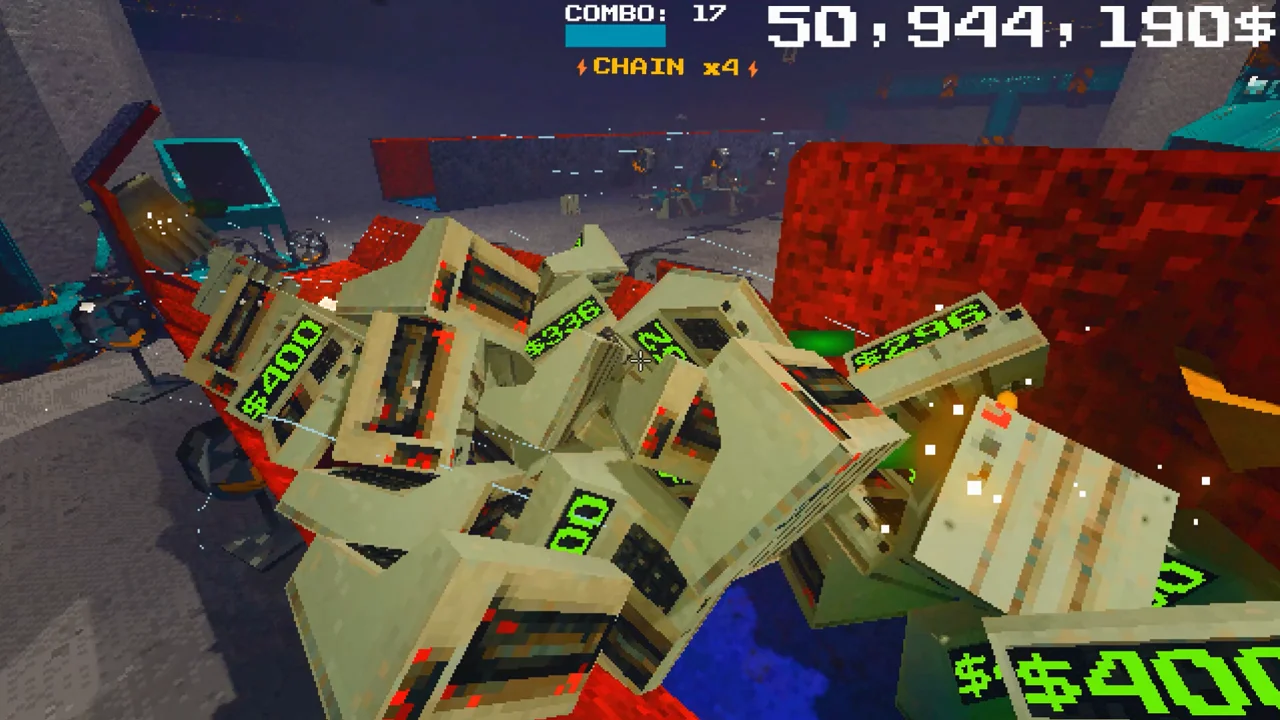
Desktop players: irrelevant
On any normal desktop rig — the minimum spec is an i3-6100 with a GTX 750 Ti — this isn't a concern worth having. The physics load that bothers a handheld APU barely registers on a desk tower. If you own both, play serious factory sessions at the desk and use the Deck for tinkering sessions.
The short version
- Early game: 60 FPS, sub-10W battery draw. Genuinely great on Deck.
- Late game with massive physics piles: can dip into the 20s.
- Nothing breaks — it's a smoothness issue, not a stability issue.
- Desktop is unaffected. Handheld verdict: playable, know what you're getting.